
The True Value of Corporate Event Photography
A professional corporate event photographer isn’t there to “capture moments.” They’re there to protect your brand in real time and make sure the story your team worked all year to deliver doesn’t get undercut by weak visuals, inconsistent lighting or images that look like they came from someone’s phone. That matters because event photography is one of the fastest ways people judge credibility. If the images look messy, your audience quietly assumes the same about the rest of the experience.
You’ve probably felt this pain: you post a few photos, engagement is flat, and internal stakeholders start saying things like, “Maybe we just didn’t have enough content.” But the real issue is usually quality and intent. Strategic corporate photography is built around brand standards, messaging, and outcomes – not just shutter clicks. And when you get it right, those same images keep working long after the event doors close.
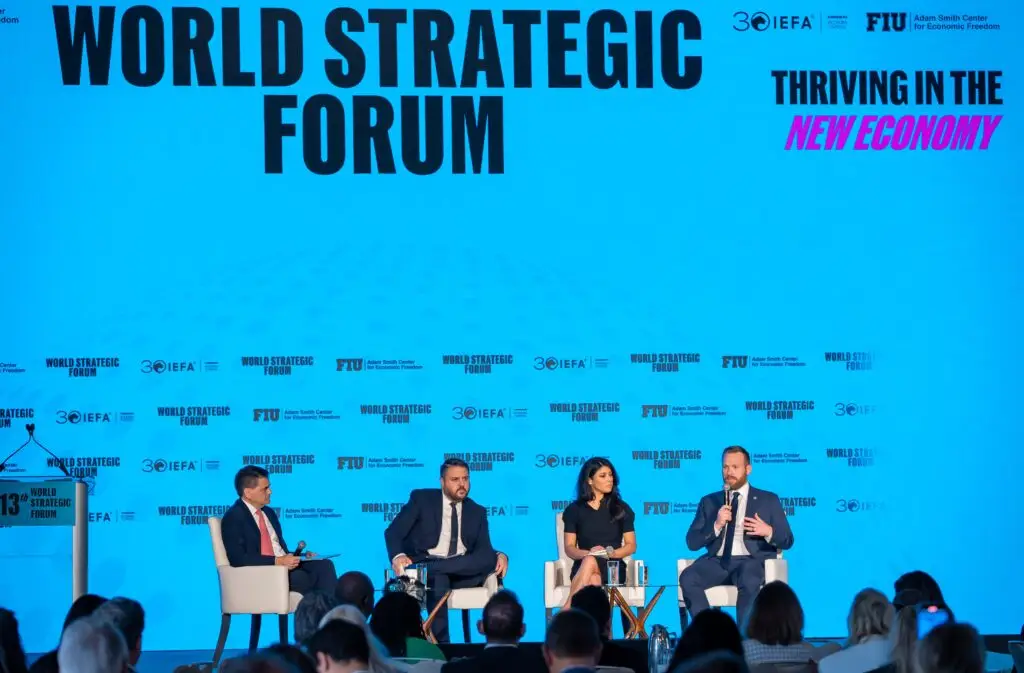
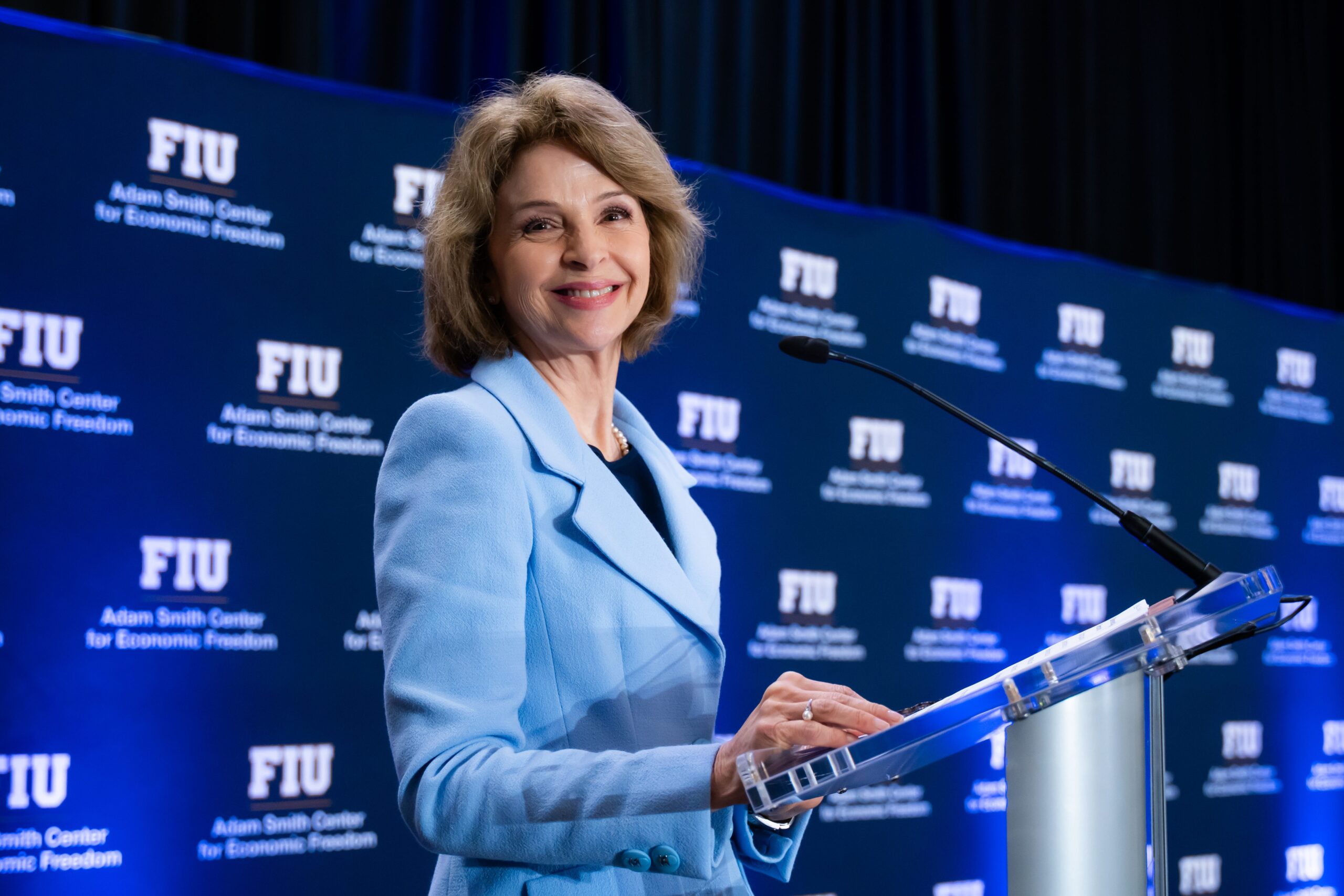
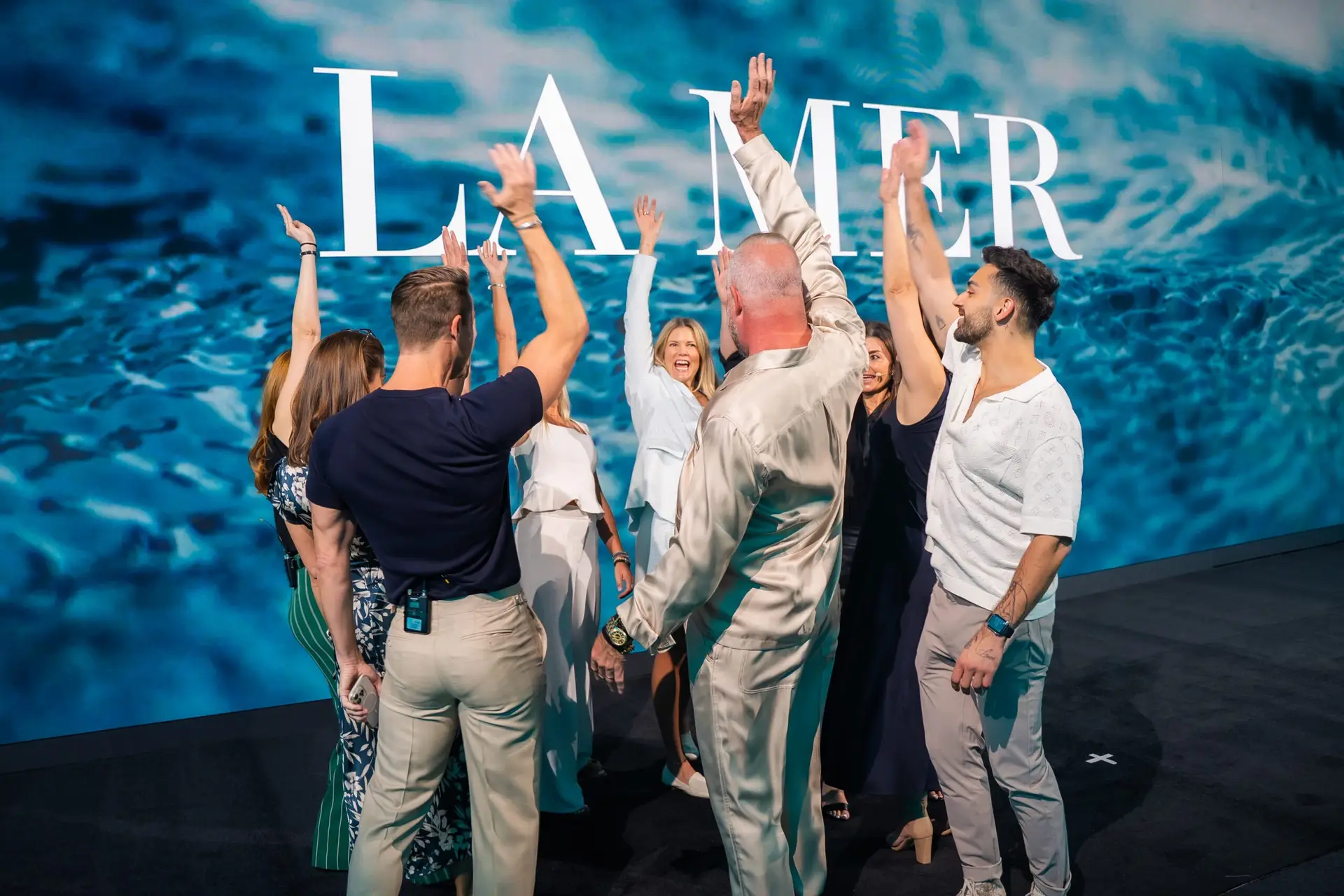
Amateur photos often capture the “what” (people in a room), but they miss the “why” (what that room represents for your brand). The difference shows up immediately; amateurs tend to be uneven in exposure, composition, and skin tones, and they rarely prioritize the details that signal professionalism. Here’s the business truth: your event is content. Not “maybe someday,” not “we’ll use it if we remember.” The moment you publish, you’re either reinforcing trust or creating doubt. Strategic photography reduces that risk. It gives marketing something cohesive to build with and it gives leadership peace of mind that the visuals match the standards they expect everywhere else.
I’ve spent over 15 years covering events, conferences and business environments, and the pattern never changes. When teams treat event photography like an afterthought, the brand pays for it later in missed opportunities, inconsistent messaging and assets that never get used. When teams treat it like brand protection, the event becomes a high-performing marketing package. I’ve also watched internal teams shift their mindset once they see what “good” looks like. Suddenly, leadership stops asking for “more photos” and starts asking for “assets we can actually use.” That’s amplification your event content and it starts working like it’s supposed to.
When you invest in photography with that end in mind, you’re not paying for the day, you’re funding a library of brand-ready content. And that library keeps paying dividends; more reuse, faster approvals, stronger storytelling and fewer “we don’t have what we need”.
Capturing Important Moments Without Disrupting the Event
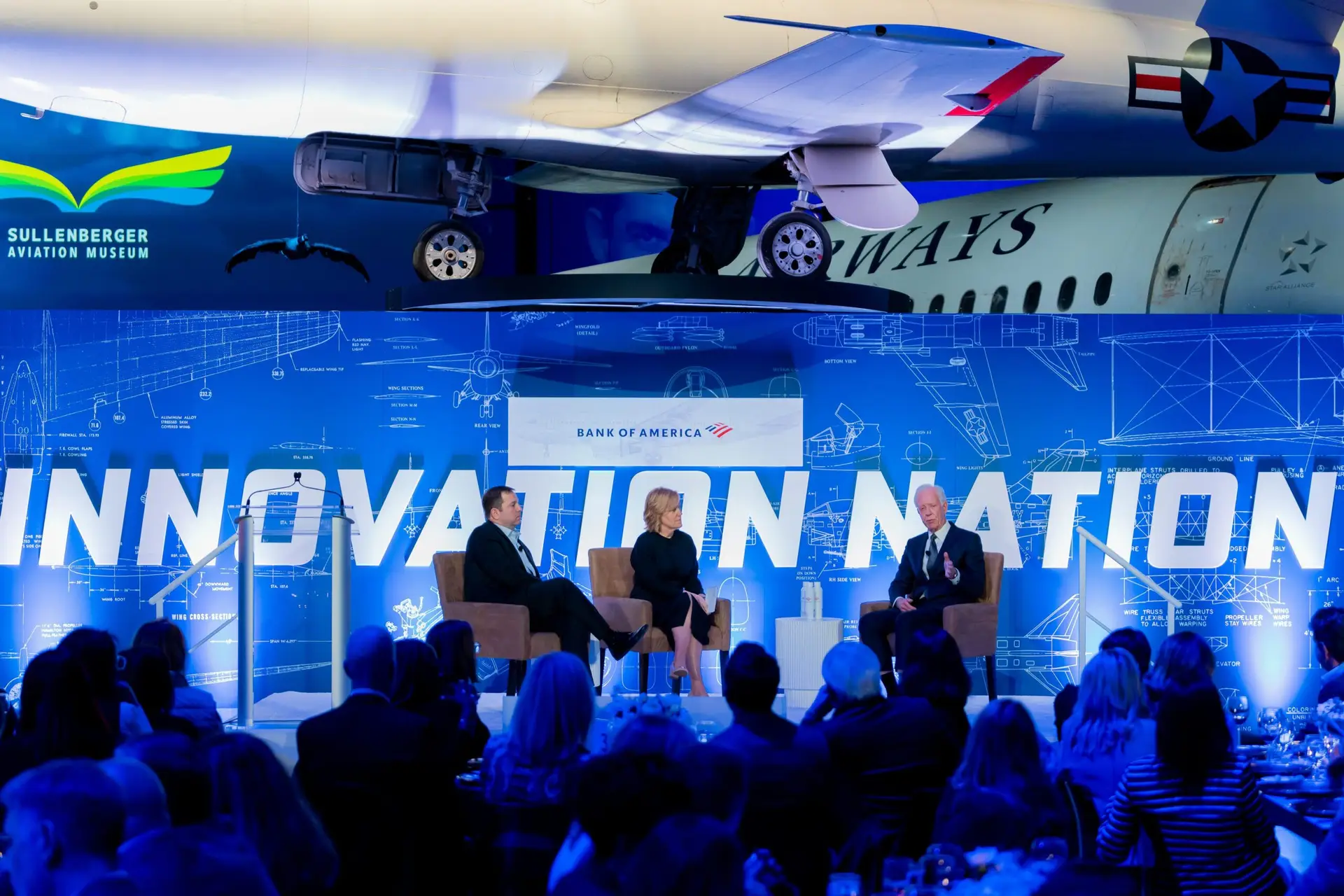
The best corporate photos happen in seconds: a handshake, a speaker’s mic moment, a VIP arriving, the shift from networking to session. A pro reads the room, anticipates the action and stays out of the way. That means you get the moments your team actually needs without derailing the event for “one quick shot.” An experienced corporate photographer maintains consistent framing, lighting style, and coverage priorities across days and locations, so your story stays coherent even when the schedule doesn’t.
Going cheapest can backfire because corporate photography is public-facing. If the coverage is incomplete, inconsistent, or poorly timed, your brand looks disorganized even if the event itself ran smoothly. And when leadership discovers the gap, it’s not “a photo problem.” It becomes a credibility problem. If you’ve ever felt like event photos were “nice, but not usable,” you already know the real problem: there wasn’t enough collaboration. The fix isn’t luck, it’s a tight workflow between the planner and the photographer.
I’ve covered conferences, executive offsites, and business environments for 15+ years. The events that perform best for marketing and comms don’t just “get coverage.” They plan the story, protect the schedule, and make photo approvals painless. When that happens, you end up with a usable library, not a pile of near-duplicates.
Reviewing Portfolios Correctly
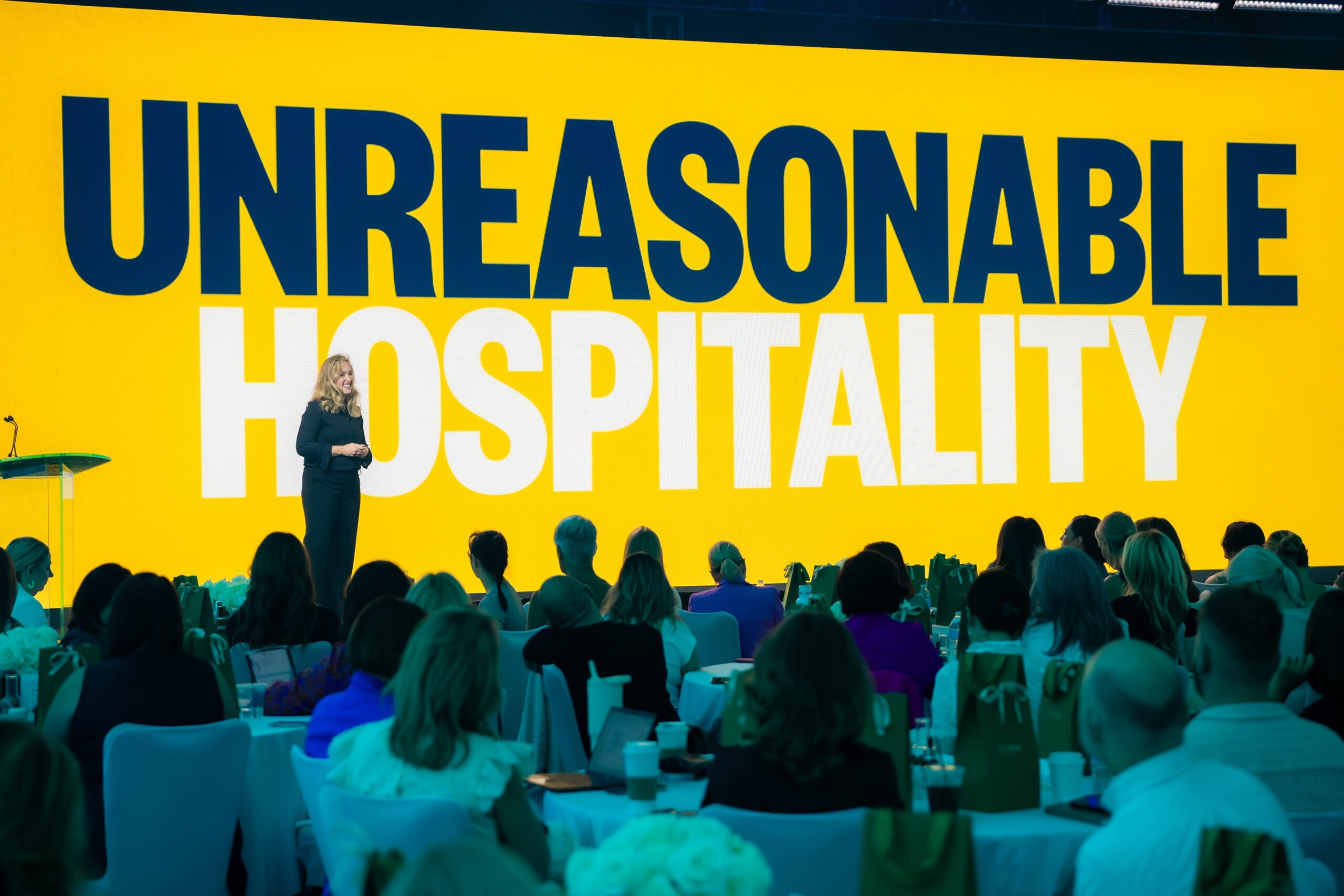
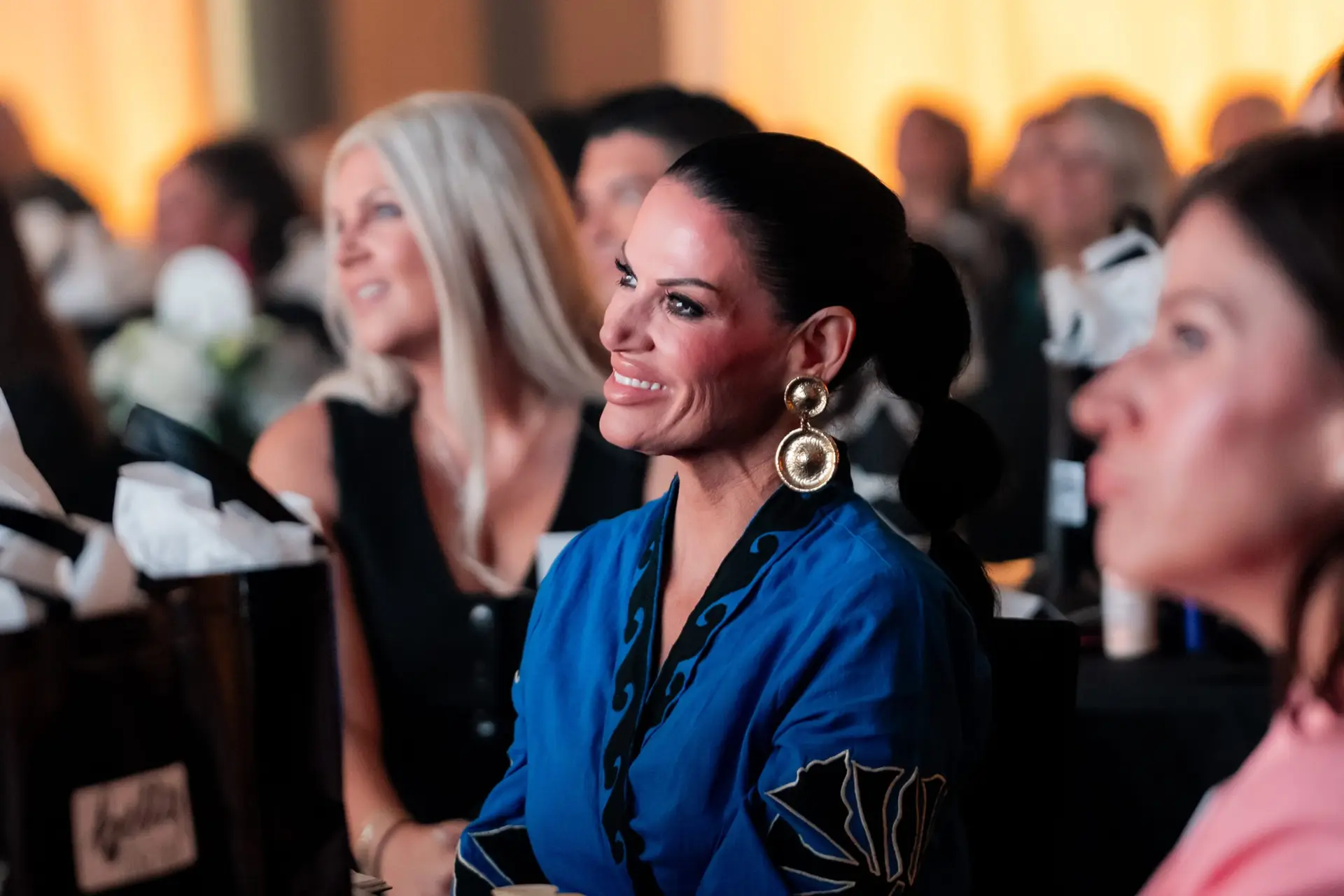
Portfolios aren’t proof of competence unless you review them the right way. Don’t just scan for good lighting, check for coverage discipline. Look for a mix stage shots that are sharp and readable, branded moments that stay consistent and people photos that feel natural (not stiff, not awkward). Also, compare events that look similar to yours. If their gallery is mostly awards nights but your event is a conference with lots of sessions, that mismatch shows up in the details.
Price is tempting, especially when budgets are tight but experience is what keeps the day from unraveling. A photographer with 15+ years in corporate environments knows where images succeed and where they fail and they plan accordingly. That’s not a “premium” story, it’s risk management you can see in the final set. In practice, lower pricing often hides costs: limited coverage, slower delivery or licensing/usage gaps that force you to scramble after the event.
Why the Right Photographer Becomes a Long-Term Partner for Future Events
When you get the right partner, the next event gets easier. They learn your brand standards, your internal stakeholders and your event rhythm. That means fewer alignment meetings, faster decision cycles and photos that match how your company wants to be seen.
And yes, you’ll still review budget and travel fees, but you’ll also see the consistency of coverage across the years. Choose your corporate photographer like you choose any high-impact vendor; based on evidence, process and accountability. The right decision turns photography into an investment in your story, your reputation and your future growth. Because your images don’t just document the event. They shape how people remember your company when it matters most.
I’m Nunzio Ruggiero, a corporate photographer with 15+ years of experience covering events, conferences, and business environments. I’ve worked across executive gatherings, speaker-driven programs, and high-volume audiences. I’ve worked on both fast-turnaround media moments and carefully planned leadership coverage, so I focus on the same thing you do: getting the images you’ll actually need with a workflow your team can trust.