
Why Companies Need Photography During Breakout Sessions
When most companies plan photography coverage for a conference or summit, the focus lands almost entirely on the keynote stage. The main speaker gets the spotlight, the branded step-and-repeat gets photographed, and the general session hall is documented from open to close. But breakout sessions are often treated as a secondary or as a maybe take a couple of photos if you have time, if not is ok… That’s a mistake. Breakout sessions are where the real substance of a conference happens, and they deserve the same photographic attention as the main stage.
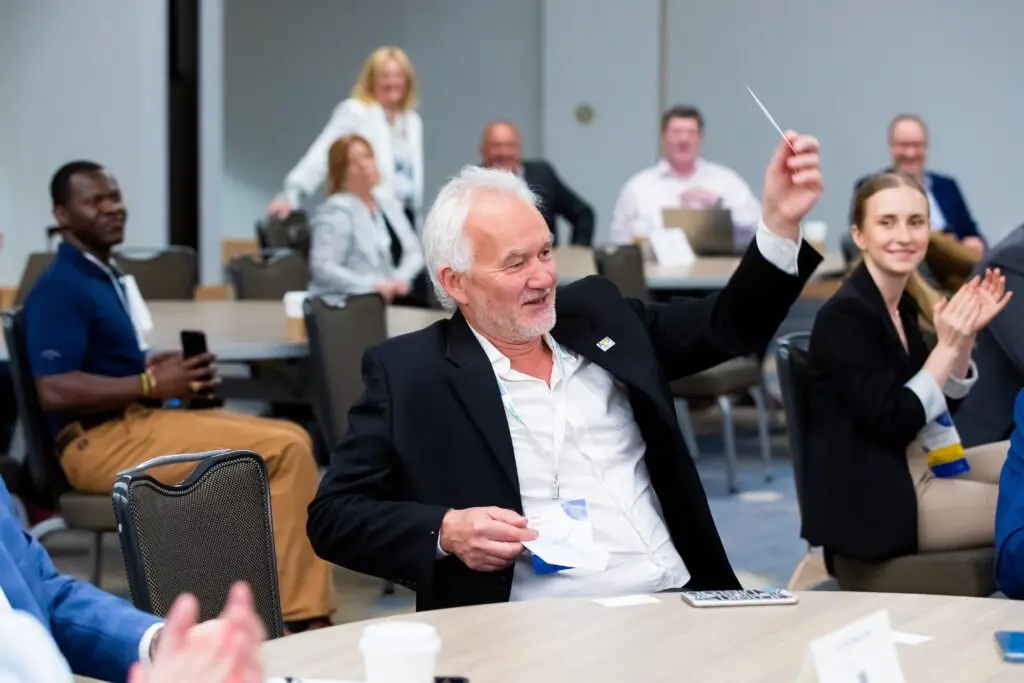

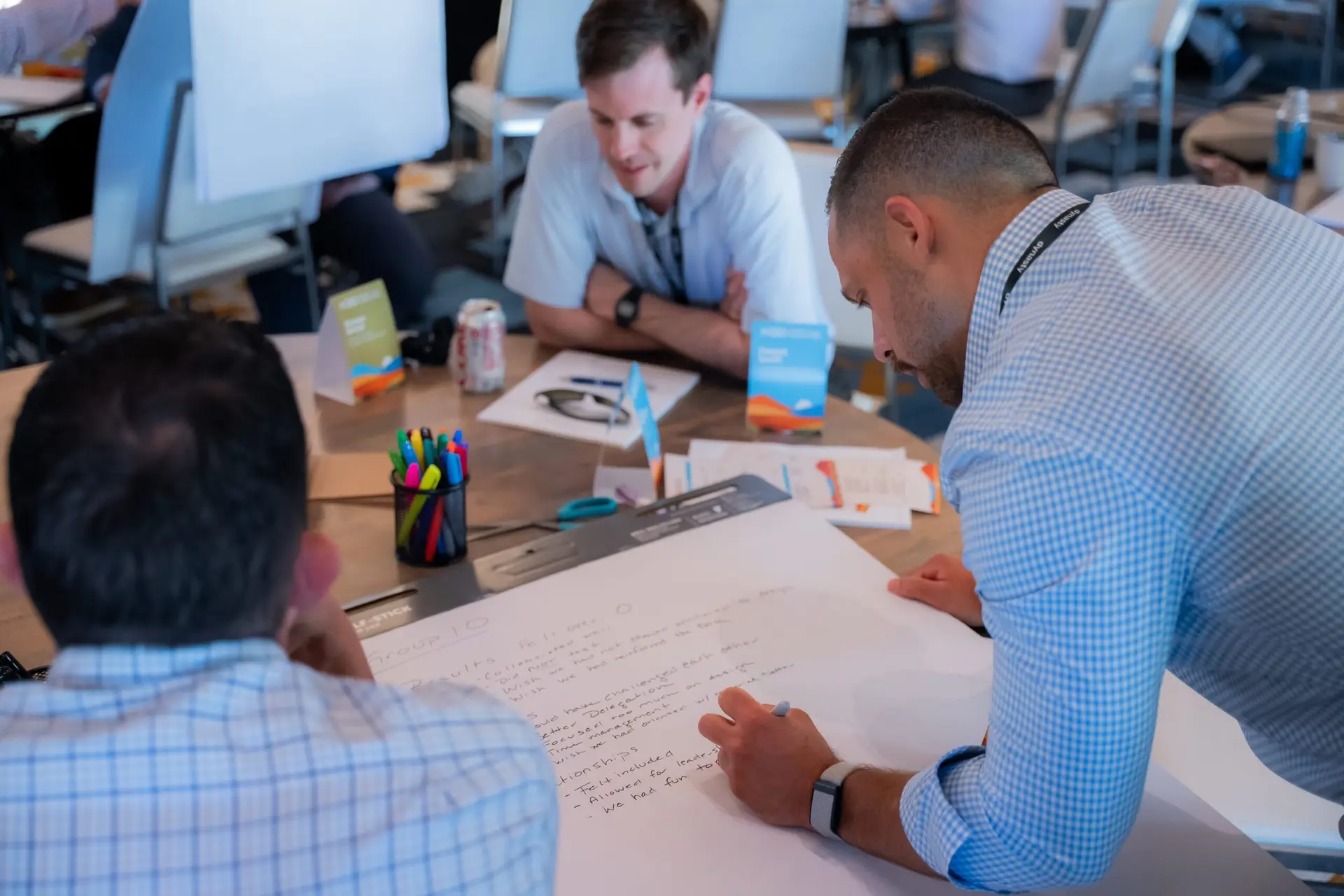
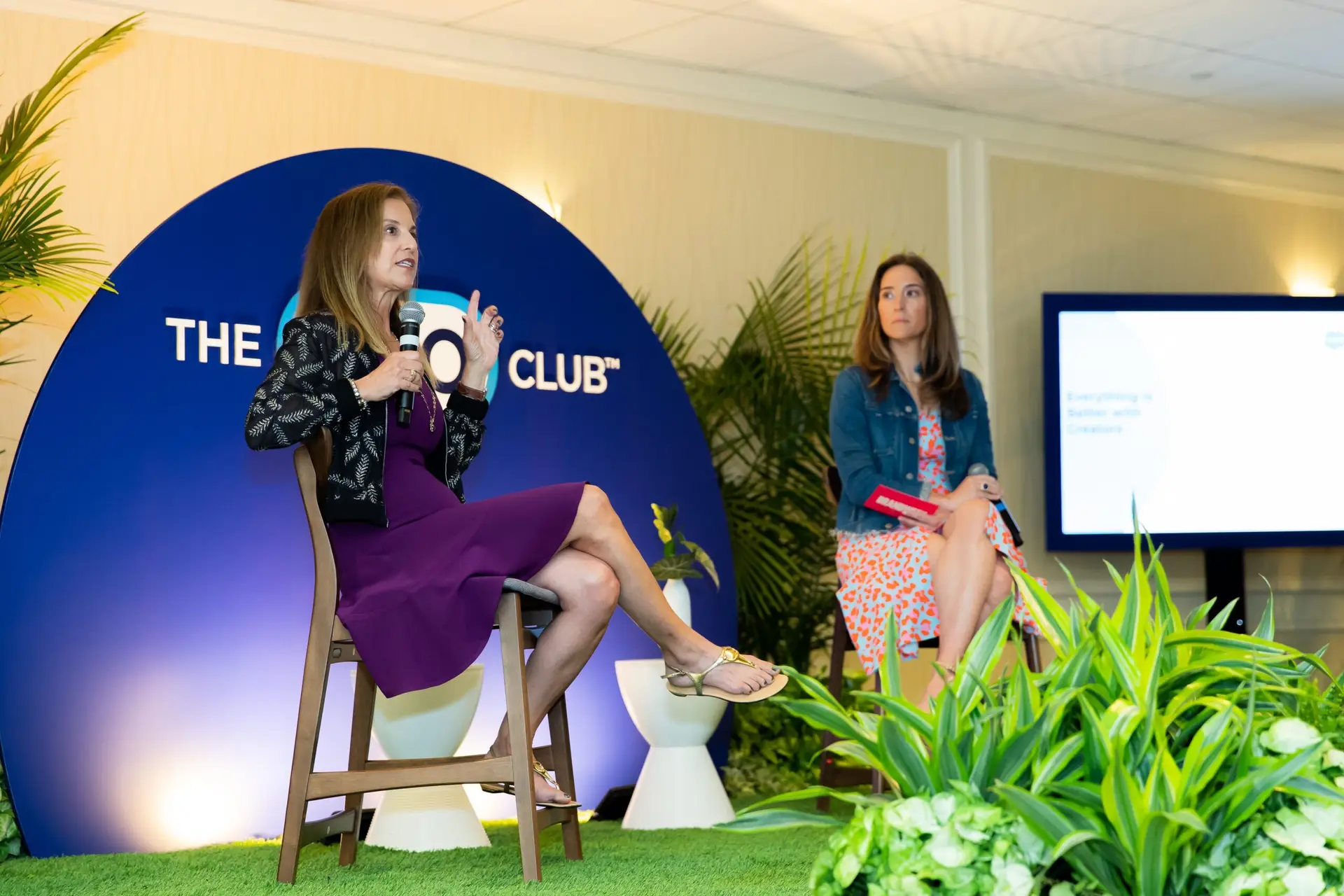
Breakout sessions are the smaller, focused segments of a larger conference or summit, typically running 30 to 60 minutes, often scheduled in parallel tracks so attendees can choose the topics most relevant to them. Unlike a keynote, which is broadcast to the entire room, a breakout session is intimate. It might be a workshop, a panel discussion, a Q&A with a subject-matter expert or a hands-on training led by a member of your team. Because breakout sessions are smaller and more specific, they tend to generate the most engaged, hands-raised, leaning-forward audience reactions of the entire event. That’s exactly the kind of content that photographs well and exactly the kind of content most companies fail to capture.
A Common Mistake: Neglecting the Room Itself
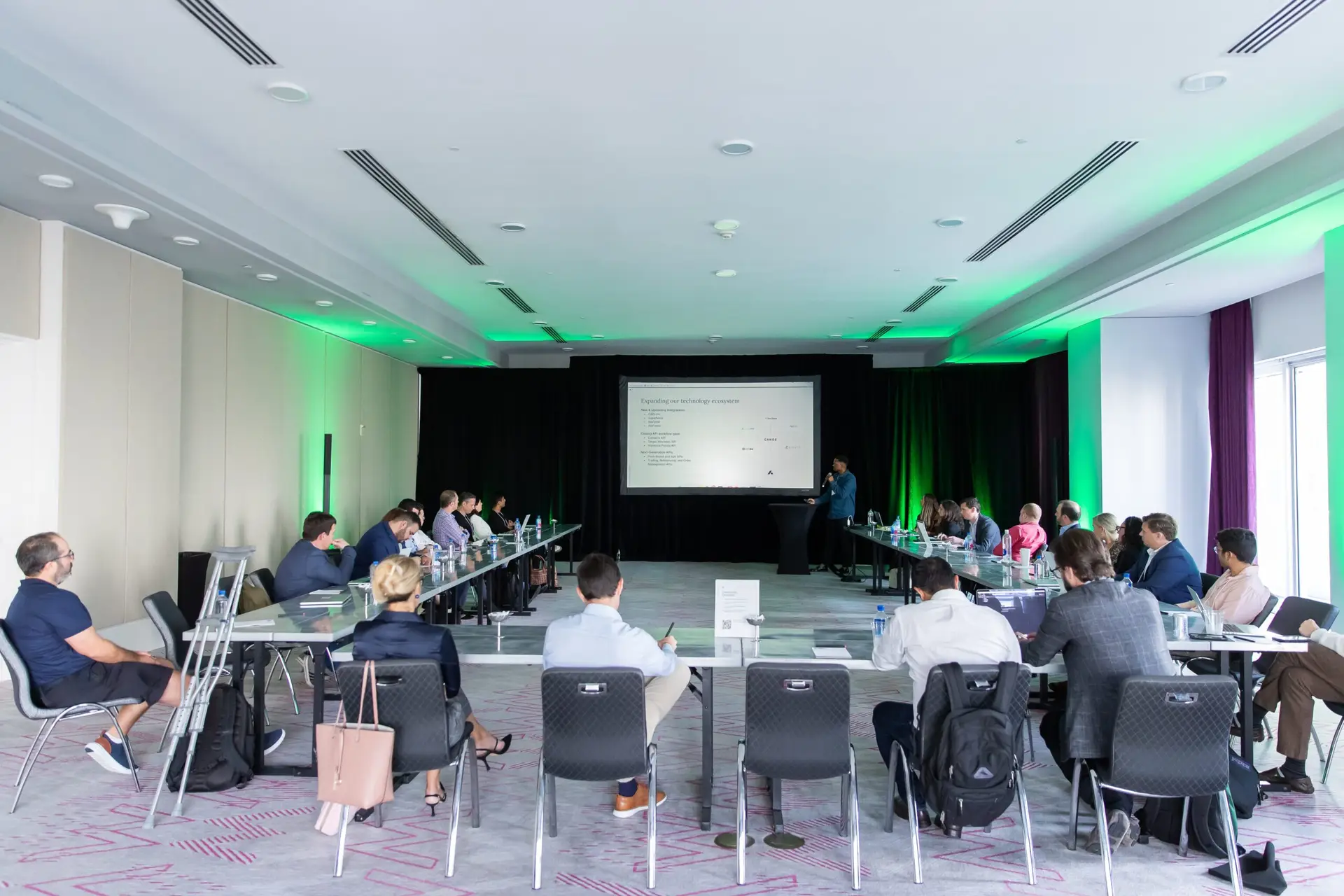
Even when a company invests in a professional photographer for breakout sessions, which in my experience, I have covered up to 6 simultaneous breakouts happening in a slot of 45 minutes back to back, giving me only time to be in each room for no more than 7 minutes. The main biggest problem is that nobody paid attention to what’s actually behind the speaker, it’s a scene that plays out constantly, standing directly in front of an open back door, an exit sign, a stack of folding chairs, or a blank hotel conference wall with a fire extinguisher mounted on it. No backdrop, no branding, nothing to signal that this is a professional event at all. Pair that with a room lit only by dim overhead fluorescents or worse, no supplemental lighting planned at all, and even the best photographer is left trying to rescue a shot that is impossible.
This isn’t a photography problem. It’s a production planning problem and it happens because breakout rooms get a fraction of the attention that the main stage gets. Event teams will spend weeks designing the keynote backdrop, but the breakout rooms where a huge share of the day’s most usable content actually gets created are treated as an afterthought, sometimes literally whatever conference room the venue had available. The fix is simple and inexpensive relative to the cost of the event itself, a portable branded backdrop or step-and-repeat behind every breakout speaker, and at minimum one or two supplemental lights in each room. It doesn’t need to match the scale of the main stage even a simple pull-up banner and a softbox light is enough to turn a flat, forgettable photo into something usable for marketing. Planning this in advance with your photographer means the room gets set up correctly before the session starts, rather than everyone realizing at 9am that speaker three is standing in front of a door marked “Exit”.

Breakout Sessions Are Where the Real Engagement Happens
A keynote speech is polished, scripted and largely directional for an entire crowd. Breakout sessions are the opposite: they’re conversational, interactive, and often where attendees ask the questions that matter most to their business. This is where a panel of experts debates a genuinely unresolved industry problems, or where a small workshop group works through a real exercise together.
That kind of energy genuine curiosity, active note-taking, hands raised and small-group collaboration. It has to be captured live, in the room, as it happens. For companies trying to prove that their event delivered real value (not just a stage and a microphone), breakout session photography is often the most convincing evidence available. Not every attendee at your conference cares about the keynote. Many came specifically for one or two breakout sessions relevant to their role or industry. When those attendees see photos from the exact session they attended showing the room, the speaker, the energy, maybe even themselves in the audience, it creates a far more personal and shareable connection than a wide shot of the main stage ever could.
Breakout Sessions Are Often Where Sales and Partnership Moments Happen
Some of the most valuable relationship-building at a conference doesn’t happen at the keynote, it happens in a breakout room, where a smaller group of the right people are in the same place at the same time. A breakout session focused on a specific product line or industry vertical often draws exactly the prospects, partners, or clients your sales team most wants documented. Photography from these sessions can become a powerful sales enablement tool, proof that your company brought the right people together around the right topic, in a setting far more targeted and credible than a generic “networking event” photo.
What Good Breakout Session Coverage Actually Looks Like
Photographing breakout sessions well requires a different approach than stage photography. Something that we do at corporatephotographer.com
- Discretion. Breakout rooms are smaller and more intimate than a main stage, so the photographer needs to work without disrupting the flow of discussion or making attendees self-conscious. Meaning no flash and having the camera in silent mode.
- Coverage across multiple rooms. With sessions often running in parallel, a single photographer needs a clear plan for which rooms to prioritize and when to rotate between them, something that should be planned with the client in advance, not improvised on the day and is highly recommended at least 2 photographers.
- Attention to speakers and audience alike. The best breakout photography doesn’t just document the person speaking, it captures audience reactions, note-taking, small-group discussion and the Q&A moments that show real engagement.
- Fast turnaround. Because breakout content is often tied to a specific topic or product, marketing teams benefit from having usable images quickly, ideally within 24 hours so the content is ready for social.